Dive Into 8 Unexpected Truths About Sunflowers
Posted on 14/08/2025
Dive Into 8 Unexpected Truths About Sunflowers
Sunflowers (Helianthus annuus) are instantly recognizable for their large, golden blooms turning their radiant faces to the sun. But beneath their cheerful petals lies a wealth of fascinating secrets. Whether you're a gardener, a history buff, or simply a sunflower admirer, prepare to be captivated! In this comprehensive guide, you'll discover eight surprising facts about sunflowers that will deepen your appreciation for these majestic blooms. Let's explore the unexpected truths behind the world's happiest flower!

1. Sunflowers Track the Sun--But Only When Young
One of the most enduring images of sunflowers is their tendency to turn their heads to follow the sun. This delightful phenomenon, called heliotropism, is most pronounced in the sunflower's youth.
- Young sunflower plants (before flowering) track the sun from east to west throughout the day, maximizing their exposure.
- Once mature and the flower blooms, sunflowers generally settle facing east for better warmth and pollinator attraction.
- Why east? Research shows that east-facing sunflowers heat up earlier in the day, making them more attractive to pollinating bees.
So, while it may seem as if flowering sunflowers continue their daily dance, their sun-seeking behavior is primarily a feature of their adolescence!
2. Sunflowers Have Ancient Roots and Global Reach
If you thought sunflowers originated in Europe because of Van Gogh's famous paintings, think again! These floral giants have a much older and wider story to tell.
Origin Story
- Sunflowers were first domesticated over 4,000 years ago in North America by Indigenous peoples.
- They were cultivated for food, oil, dye, and medicinal purposes long before European arrival.
- Spanish explorers brought sunflowers back to Europe in the 16th century, where their popularity, symbolism, and cultivation exploded.
_Sunflowers Take Over the World_
Today, sunflowers are grown globally, from Ukraine and Russia's vast fields to backyard gardens all over the planet, solidifying their place in agriculture and culture.
3. They're Not Just Pretty Faces - Sunflowers Are Environmental Heroes
Beyond their beauty, sunflowers possess remarkable environmental benefits:
- Phytoremediation: Sunflowers excel at extracting toxins and heavy metals, such as lead, arsenic, and even radioactive contaminants, from soil--a process called phytoremediation.
- After the Chernobyl disaster, fields of sunflowers were planted to help remove radioactive substances from the land.
- They can aid in soil restoration and environmental clean-up projects worldwide.
Sunflowers aren't just garden stars--they're powerful allies in battling pollution!
4. A Sunflower Is Actually a Thousand Flowers
Take a closer look at a sunflower "head," and you'll discover one of nature's architectural wonders. The giant bloom isn't a single flower -- it's an inflorescence:
- Each sunflower head contains hundreds to thousands of tiny individual florets.
- These mini-flowers mature into seeds if successfully pollinated.
- The spiral pattern of these florets follows the Fibonacci sequence, an underlying mathematical pattern found throughout nature.
So, the next time you admire a sunflower, remember you're gazing at one of the plant kingdom's most complex creations!

5. Sunflowers Are Giants--With Record-Breaking Heights
From petite ornamentals to sky-scraping giants, sunflowers offer impressive variety. But some take "standing tall" to an entirely different level!
- The world record for the tallest sunflower stands at a staggering 30 feet 1 inch (9.17 meters), grown by Hans-Peter Schiffer in Germany.
- Most common varieties reach 6-10 feet (1.8-3 m), but competitive growers and special hybrids can produce true natural skyscrapers.
- Mini varieties, such as 'Teddy Bear' and 'Sunspot,' thrive in small spaces and containers, providing sunlit joy for every gardener.
_A Symbol of Strength_
It's no wonder sunflowers symbolize endurance, positivity, and standing tall against adversity!
6. Sunflower Seeds: A Superfood Laden with Nutrition
Sunflower seeds aren't just for snacking at baseball games or feeding backyard birds--they're also a superseed packed with essential nutrients:
- Excellent source of Vitamin E, magnesium, selenium, and B vitamins.
- Rich in healthy fats, protein, and antioxidants, sunflower seeds help support heart health and metabolism.
- Sunflower oil, extracted from seeds, is used for cooking, skincare, and more.
Fun Fact:
Chewing sunflower seeds is called "spitting seeds," a classic pastime enjoyed around the globe!
7. Sunflowers Carry Deep Meanings & Cultural Symbolism
The striking image of a sunflower blooming towards the sun has made it a cherished icon throughout history:
- Adoration & Loyalty: Sunflowers symbolize adoration, loyalty, and longevity, making them popular in art and gifts.
- Their sunny orientation embodies positivity, optimism, and seeking light in dark times.
- In some cultures, sunflowers represent good luck and happiness. In others, their seeds are used in New Year's rituals for prosperity.
The allure of sunflowers is as much about their spirit as their appearance!
8. Sunflowers Support Pollinators & Biodiversity
Sunflower fields are a paradise for pollinators. Their abundant pollen and nectar attract a vivid array of bees, butterflies, and birds.
- They are crucial food sources for native bees and honeybees, supporting pollination of other crops nearby.
- The seeds feed finches, sparrows, and other wild birds in late summer and fall.
- Their robust growth provides shelter for beneficial insects and small animals, enriching the ecosystem.
Grow Sunflowers, Support Nature!
By cultivating sunflowers, you don't just brighten your space--you help sustain local wildlife and boost biodiversity.
Sunflowers in Your Life: The Ultimate Joy-Bringer
Now you know the eight unexpected truths about sunflowers--from their heliotropic youth and environmental prowess to their symbolism and ecosystem benefits.
- Plant sunflowers to beautify your garden and support pollinators.
- Snack on sunflower seeds for a healthy, nutrient-packed treat.
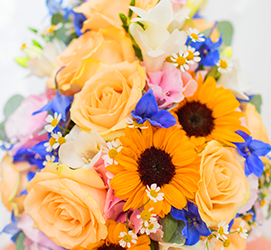
- Share sunflower bouquets to spread happiness and positivity among friends and family.
Sunflowers are more than just a summer spectacle--they're a testament to nature's ingenuity, resilience, and warmth. Dive deeper into the world of sunflowers, and let their golden glow enrich your life!
FAQs: Exploring More About Sunflowers
Are sunflowers easy to grow?
Absolutely! They thrive in full sun and well-drained soil. Just give them space to grow, and they'll reward you with spectacular blooms.
What month do sunflowers bloom?
Most sunflower varieties bloom from mid-summer to early fall, depending on the planting date and climate.
Can I eat every part of the sunflower?
While sunflower seeds are the edible favorite, young sunflower sprouts are also great in salads, and petals are sometimes used as garnishes (check for cultivar edibility).
Do sunflowers really clean soil?
Yes, sunflowers are valuable for phytoremediation, absorbing heavy metals and contaminants, but always consult experts before planting in contaminated soil intended for food crops.
Thanks for discovering the unexpected truths about sunflowers with us. Ready to plant, snack, or simply bask in their cheerful presence? Sunflowers are always worth a closer look!